Melbourne's Retail Design Trends 2025
In the rapidly evolving retail landscape of Melbourne, understanding design trends for 2025 is essential. With an increasing focus on consumer experience, sustainability, and technology integration, retailers must adapt their spaces to meet new expectations. Let's delve into the key insights that will guide your retail design strategy.
What You Will Learn
- Creating memorable shopping experiences is now a top priority for retailers.
- Integrating technology into the retail environment enhances customer engagement and satisfaction.
- Sustainability is no longer optional; eco-friendly materials and designs are crucial for attracting today’s consumers.
- A well-designed retail space can significantly influence consumer behavior and drive sales.
- Visual merchandising techniques, such as seasonal displays and clear signage, play a vital role in enhancing the shopping experience.
- Adapting your retail strategy to align with emerging design trends is key to staying competitive in the market.
Key Drivers and Strategic Next Steps for Melbourne Retail Design in 2025
The following visual summarizes the transformative forces shaping retail shop design and the proactive steps retailers can take to thrive in Melbourne's evolving market.
Transformational Forces Shaping Retail Design
- Consumer Experience (Beyond Products)
- Technology Integration (Interactive Displays)
- Sustainable Practices (Eco-Friendly Materials)
Impact of Design on Consumer Behavior
- Emotional Connection
- Guided Experience (Traffic Flow)
- Brand Representation
Role of Visual Merchandising
- Seasonal & Dynamic Displays
- Interactive Elements
- Clear Signage & Navigation
Next Steps for Retailers
- Assess current space for improvements.
- Engage professional shopfitters.
- Explore sustainable materials & tech.
- Experiment with customer-centric layouts.
Understanding Retail Shop Design Trends for 2025 in Melbourne
The retail landscape in Melbourne is undergoing a remarkable transformation as we approach 2025. With shifts in consumer behavior, advancements in technology, and a growing emphasis on sustainability, the way we design retail spaces is changing. As a passionate shopfitter, I see these trends as not just aesthetic choices but essential strategies for business success.
Several key factors are driving these changes in design. For instance, the rise of e-commerce has forced brick-and-mortar retailers to rethink their physical spaces, creating environments that enhance the shopping experience. Additionally, Melbourne's unique cultural landscape encourages businesses to reflect local identities through innovative design. For a broader perspective on the retail sector in the region, resources like the Victorian Government's retail and trade information offer valuable insights.
Overview of Current Retail Landscape
In today’s competitive market, it's crucial to stay ahead of design trends. Many retailers are focusing on creating spaces that are not only visually appealing but also functional. Here are some pivotal aspects influencing the retail landscape:
- Consumer Experience: Shoppers are seeking more than just products; they want memorable experiences.
- Technology Integration: Interactive installations and digital interfaces are becoming commonplace.
- Sustainable Practices: Eco-friendly materials and designs are increasingly prioritized.
These elements are shaping the way we approach retail shop design, making it essential for Melbourne businesses to adapt and thrive. For more detailed insights into upcoming trends, the Australian Retailers Association's 2025 Retail Trends Report provides a comprehensive outlook.
Why Design Matters: The Impact on Consumer Behavior
Good design is vital for influencing consumer decisions. An inviting, well-organized shop can enhance customer satisfaction and drive sales. As a shopfitter in Melbourne, I've witnessed firsthand how a thoughtfully designed space can elevate a brand's identity.
When customers feel comfortable and engaged, they are more likely to linger and explore. Here are some ways effective retail shop design can impact consumer behavior:
- Emotional Connection: A well-curated environment resonates emotionally with customers.
- Guided Experience: Strategic layouts direct traffic flow and highlight key products.
- Brand Representation: Design serves as an extension of the brand, reinforcing its values and identity.
Ultimately, an appealing shop design can transform a casual visitor into a loyal customer.
The Role of Visual Merchandising in Retail Design
Visual merchandising plays a crucial role in attracting customers and enhancing their shopping experience. It’s about creating compelling displays that catch the eye and tell a story about your brand. As I often advise my clients at Shopfitters Melbourne, effective visual merchandising can turn your shop into a destination.
Some successful strategies include:
- Seasonal Displays: Refreshing visuals to reflect holidays or seasons keeps the space dynamic.
- Interactive Elements: Incorporating touchpoints where customers can engage with products enhances their experience.
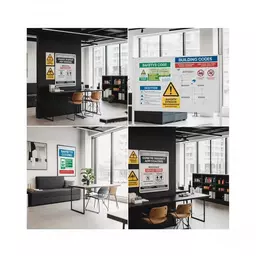
- Clear Signage: Proper signage helps customers navigate the space and understand promotions.
By leveraging these visual merchandising techniques, retailers can significantly boost engagement and ultimately drive sales.
Pro Tip
As you embark on redesigning your retail space, consider incorporating biophilic design elements. Integrating natural materials, greenery, and ample natural light can create a more inviting atmosphere, enhancing customer comfort and encouraging longer visits. This approach not only promotes sustainability but also aligns with the growing consumer preference for eco-conscious shopping environments.
Frequently Asked Questions (FAQs)
Summarizing the Future of Retail Shop Design in Melbourne
As we look ahead to 2025, the retail landscape in Melbourne is set to evolve significantly. The trends we've explored—such as sustainability, experiential design, and technology integration—are not just fleeting fads; they're transformational forces that will shape how consumers interact with retail spaces. It's clear that understanding these trends is crucial for both retailers and designers aiming to stay relevant and competitive in an increasingly dynamic market. The Australian Institute of Architects' insights on retail design trends further support this perspective.
By prioritizing eco-friendly materials and innovative design strategies, businesses can create spaces that resonate with today’s environmentally conscious shoppers. Moreover, incorporating technology and personal touches into shop designs will not only enhance the shopping experience but also foster deeper connections with customers.
Next Steps for Retailers: Embracing Design Trends in 2025
For retailers looking to thrive, it’s time to take proactive steps in integrating these important design trends into your planning. At Shopfitters Melbourne, I believe that leveraging professional expertise can make a world of difference. Here are some next steps you might consider:
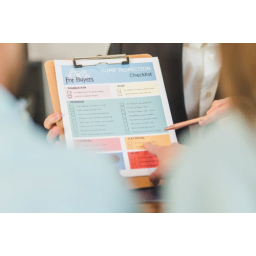
- Conduct a thorough assessment of your current retail space to identify areas for improvement.
- Engage with a professional shopfitter who understands the latest design trends and can tailor solutions to your needs.
- Explore sustainable materials and technologies that align with your brand values.
- Experiment with layouts that enhance customer experience and adaptability.
By taking these steps, you can ensure your retail space is not only functional but also a reflection of the current and future market demands. The future is bright, and now is the perfect time to embrace these changes!
Engaging with the Community: Feedback and Insights
I invite you, our fellow Melbourne retailers, to share your thoughts on these trends. Have you started implementing any of these strategies in your own shops? What challenges or successes have you encountered along the way? Your insights are invaluable and can help foster a community of learning and growth.
Let’s open up a dialogue about how we can collectively navigate these exciting changes in retail design. After all, we’re in this together, striving to create spaces that not only attract customers but also provide them with memorable experiences!
Exploring Retail Strategy: Aligning with Emerging Trends
Aligning your retail strategy with emerging design trends is crucial in today’s fast-paced environment. At Shopfitters Melbourne, I often advise clients to focus on:
- Staying informed about industry trends through networking and professional development.
- Building a flexible strategy that can adapt to changes in consumer behavior and preferences.
- Investing in technology that enhances operational efficiency and customer engagement.
- Creating a unique brand identity that reflects personal expression and quality.
By developing a well-rounded strategy that incorporates these elements, retailers can position themselves for success in the future of retail shop design. Remember, adapting to change is not just about survival; it’s about thriving in the vibrant Melbourne market!
Recap of Key Points
Here is a quick recap of the important points discussed in the article:
- Consumer Experience: Retailers must create memorable experiences to attract shoppers.
- Technology Integration: Incorporating interactive installations and digital interfaces is essential.
- Sustainable Practices: Utilizing eco-friendly materials and designs is increasingly important.
- Emotional Connection: A well-curated environment fosters an emotional bond with customers.
- Guided Experience: Strategic layouts enhance customer navigation and highlight products.
- Visual Merchandising: Engaging displays and clear signage significantly boost customer interaction.
- Adaptability: Retailers should remain flexible to changing trends and consumer preferences.