Retail vs. Office Space Design
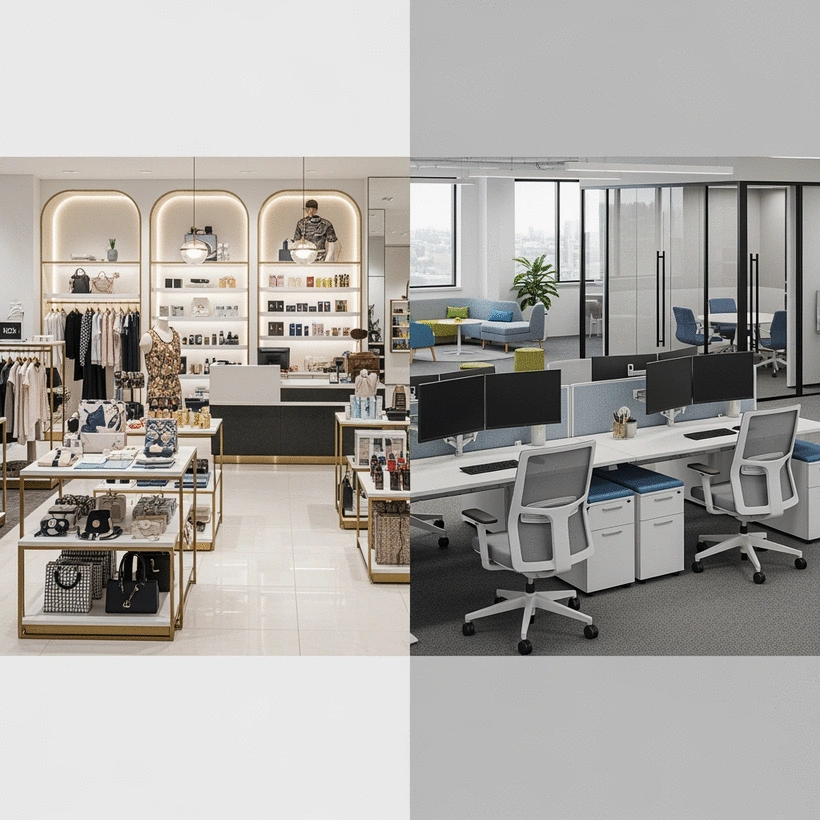
In the dynamic realm of commercial fitouts, understanding the nuances between retail and office designs can significantly impact your business's success. Whether you're creating an inviting storefront or a productive workspace, each environment has its own unique requirements and strategies. Let's explore the essential takeaways from this insightful article.
What You Will Learn
- Retail shop design focuses on enhancing customer experience through intuitive layouts and strategic product placement.
- Commercial office fitouts aim to create productive work environments that foster teamwork and reflect company culture.
- Key elements like lighting, signage, and visual merchandising are crucial in retail spaces to drive sales.
- In office designs, ergonomics and technology integration improve employee comfort and productivity.
- Understanding the differences between retail and office fitouts can help tailor your design to meet specific goals and audience needs.
Retail vs. Office Fitouts: A Comparative Overview
This comparison highlights the fundamental differences in purpose, design, and focus between retail and commercial office fitouts. For a deeper understanding of what goes into professional shopfitting in Melbourne, consider these distinctions.
Retail Fitouts
Purpose: Enhancing customer experience and driving sales.
Design Focus: Inviting and engaging aesthetics (visual merchandising, brand identity).
Compliance: Customer accessibility and safety regulations.
Office Fitouts
Purpose: Boosting employee productivity and collaboration.
Design Focus: Functional and ergonomic layouts (workstation design, technology integration).
Compliance: Workplace health and safety standards.
Understanding Retail Shop Design and Commercial Office Fitout
When it comes to creating a space for your business, understanding retail shop design and commercial office fitouts is essential. Each type of fitout serves distinct purposes and goals, tailored to meet the needs of your customers or employees. At Shopfitters Melbourne, we know that a well-designed space can significantly influence both customer experience and employee productivity!
To kick things off, let's dive into the definitions and objectives behind these two types of designs. Knowing their differences is crucial for aligning your vision with practical implementation.
Defining Retail Shop Design: Purpose and Goals
Retail shop design focuses on creating an inviting and engaging environment that encourages customers to explore and purchase products. The primary goals include:
- Enhancing customer experience through intuitive layouts and visual appeal.
- Incorporating brand elements that resonate with target audiences.
- Utilizing strategic product placement to optimize sales and foot traffic.
By understanding these goals, you can design a space that not only attracts customers but also supports your brand’s identity and sales strategy.
Defining Commercial Office Fitout: Purpose and Goals
On the other hand, commercial office fitouts aim to create functional work environments that foster productivity and collaboration. The key purposes include:
- Designing spaces that support teamwork and communication among employees.
- Implementing ergonomic furniture and technology to enhance comfort and efficiency.
- Reflecting the company’s culture and values through thoughtful design choices.
With a well-planned office fitout, you can improve employee morale and productivity while reinforcing your brand identity.
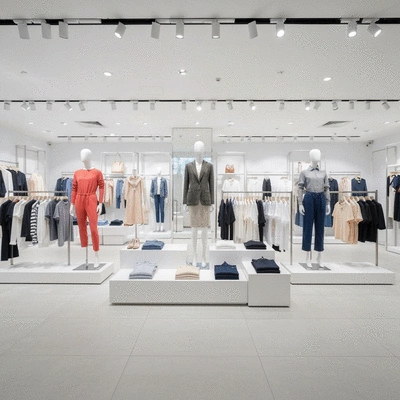
Exploring the Functional Differences Between Retail and Office Spaces
While both retail and office environments share a common goal of maximizing space efficiency, they differ significantly in their functional requirements. Let’s take a closer look at how each space is designed to serve its specific purpose.
Enhancing Customer Experience in Retail Fitouts
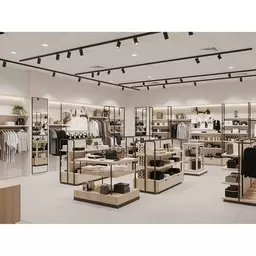
In retail, the customer experience is paramount. An effective fitout can make a profound difference in how customers perceive your brand. Here are some key elements that drive sales optimization:
- Layout: A well-thought-out layout guides customers through the store, leading them to key products.
- Lighting: Effective lighting can highlight products and create an inviting atmosphere.
- Signage: Clear, attractive signage helps customers navigate easily and understand promotions.
By focusing on these elements, you can create a retail space that not only attracts customers but also encourages them to make purchases. For more ideas, explore retail store layout ideas that work.
Key Elements that Drive Sales Optimization
Each component of your retail design plays a vital role in driving sales. From the moment customers step through the door, their journey should feel seamless and enjoyable. The more they engage with your space, the more likely they are to buy!
Role of Visual Merchandising in Retail Spaces
Visual merchandising is a powerful tool in retail design. It involves arranging products in a way that catches the eye and creates desire. By using displays and thematic setups, you can tell a story that captivates shoppers and enhances their experience.
Boosting Employee Productivity in Commercial Fitouts
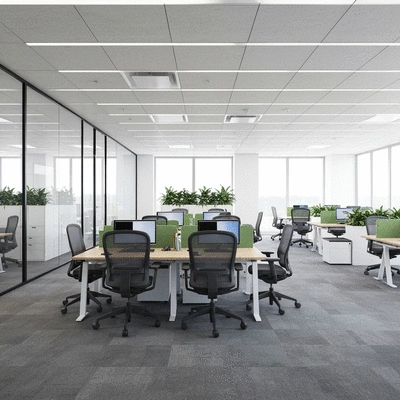
In contrast, a commercial office fitout is about creating an environment that boosts employee productivity. Here are some strategies to consider:
- Open vs. Closed Spaces: Balancing open areas with private workspaces can improve collaboration and focus.
- Technology Integration: Ensuring that the latest technology is available and accessible boosts efficiency.
- Comfort: Ergonomic furniture promotes well-being and reduces fatigue during long working hours.
With these strategies in place, you can create a workspace that not only supports productivity but also enhances overall job satisfaction.
Creating Collaborative Work Environments
Encouraging collaboration through smart design choices can lead to a more innovative workforce. By creating spaces that facilitate teamwork, you’re investing in your employees’ success.
How Ergonomics Influence Office Productivity
Ergonomics is key in office spaces. Properly designed workspaces can alleviate discomfort and prevent injuries, leading to increased focus and efficiency. Your team deserves a workspace that supports their health and well-being!
Pro Tip
When planning your fitout, always prioritize flexibility in design. Creating adaptable spaces allows you to respond to changing business needs and trends, making your environment more sustainable in the long run.
Summarizing Key Differences Between Retail and Office Fitouts
As we delve deeper into the world of fitouts, it’s essential to understand the key differences between retail and office spaces. Each environment serves distinct purposes and caters to different audiences, which significantly influences their design and functionality. At Shopfitters Melbourne, we’ve seen firsthand how these differences can impact customer experience and employee productivity. Let’s break this down!
Quick Reference: Comparison Table of Retail vs. Office Fitouts
| Aspect | Retail Fitouts | Office Fitouts |
|---|---|---|
| Purpose | Enhancing customer experience and driving sales | Boosting employee productivity and collaboration |
| Design Focus | Inviting and engaging aesthetics | Functional and ergonomic layouts |
| Key Elements | Visual merchandising, brand identity | Workstation design, technology integration |
| Compliance Needs | Customer accessibility and safety regulations | Workplace health and safety standards |
This table provides a clear and concise comparison that can help you navigate the complexities of choosing between retail and office fitouts. At Shopfitters Melbourne, we emphasize these differences to tailor our services to meet your specific needs!
Factors to Consider When Choosing Between Fitouts
When contemplating which fitout type is right for your business, consider the following critical factors:
- Target Audience: Who will be using the space? Understanding your clientele or team can help determine the best design approach.
- Functionality: What activities will occur in the space? Each fitout should support the core functions of your business.
- Budget: How much are you willing to invest? Keep in mind that both retail and office fitouts come with different cost implications.
- Compliance Requirements: Ensure you understand the relevant regulations governing your space, which can significantly influence your design choices.
By assessing these factors, you can make more informed decisions that align with your business goals and vision. At Shopfitters Melbourne, we’re here to guide you through this process, ensuring your fitout reflects your unique identity and serves its intended purpose!
Encouraging Informed Decisions for Your Space Design
Making an informed decision about your fitout can set the stage for success. I often tell my clients that understanding their space is the first step toward achieving a functional and appealing environment. Let’s explore how you can determine the right fitout for your needs.
Determining the Right Fitout for Your Business Needs
To find the perfect fitout solution, consider these steps:
- Assess Your Needs: Evaluate what features are essential for your retail or office space. Are you looking for collaborative areas, or is it more about showcasing products?
- Engage with Professionals: Consult with experienced fitout contractors, like us at Shopfitters Melbourne, who can provide tailored advice based on your unique situation.
- Visualize Your Space: Utilize design software or work with designers to create a visual representation of your fitout, helping you envision the final result.
These steps will help you clarify your thoughts and preferences, allowing for a smoother design process. Remember, it’s all about transforming your vision into reality!
Next Steps: Engaging with Fitout Contractors
Once you have a clear understanding of your fitout needs, it’s time to take action! Here’s how to proceed:
- Research Contractors: Look for reputable fitout specialists with a proven track record in your industry.
- Request Quotes: Don’t hesitate to obtain several quotes to compare services, pricing, and timelines.
- Schedule Consultations: Meet with potential contractors to discuss your vision and see how they can bring it to life.
Taking these steps will set you up for success as you embark on your fitout journey. At Shopfitters Melbourne, we’re excited to partner with you and help create a space that not only meets your expectations but exceeds them! You might also be interested in learning about Melbourne business fitout timeframes to plan effectively.
Recap of Key Points
Here is a quick recap of the important points discussed in the article:
- Retail shop design focuses on enhancing customer experience through engaging environments, intuitive layouts, and strategic product placement.
- Commercial office fitouts aim to boost employee productivity by creating functional workspaces that encourage teamwork and comfort.
- Key elements for retail optimization include layout, lighting, and clear signage to guide customers effectively.
- In office fitouts, integrating technology, ergonomic furniture, and a balance of open and closed spaces can improve work efficiency.
- Understanding your target audience, functionality needs, budget, and compliance requirements are crucial when choosing between fitouts.
Frequently Asked Questions (FAQs)
Q1: What is the primary difference between retail and office fitouts?
A1: The primary difference lies in their purpose. Retail fitouts focus on enhancing customer experience and driving sales through engaging aesthetics and strategic product placement. Office fitouts, conversely, aim to boost employee productivity and collaboration through functional and ergonomic layouts.
Q2: What are the key elements for driving sales in retail fitouts?
A2: Key elements include an intuitive layout to guide customers, effective lighting to highlight products and create atmosphere, and clear, attractive signage for navigation and promotions. Visual merchandising also plays a crucial role.
Q3: How do commercial office fitouts boost employee productivity?
A3: Office fitouts boost productivity through strategies such as balancing open and private workspaces for collaboration and focus, integrating the latest technology for efficiency, and providing ergonomic furniture for comfort and well-being.
Q4: What factors should be considered when choosing between a retail and office fitout?
A4: Important factors include your target audience, the specific functionality required for the space, your budget, and compliance requirements (e.g., customer accessibility for retail, workplace health and safety for offices).
Q5: Why is flexibility in design important for a fitout?
A5: Prioritizing flexibility allows the space to adapt to changing business needs and trends over time, making the environment more sustainable and future-proof. This helps maintain relevance and efficiency in the long run.