Melbourne Business Fitout Timeframe
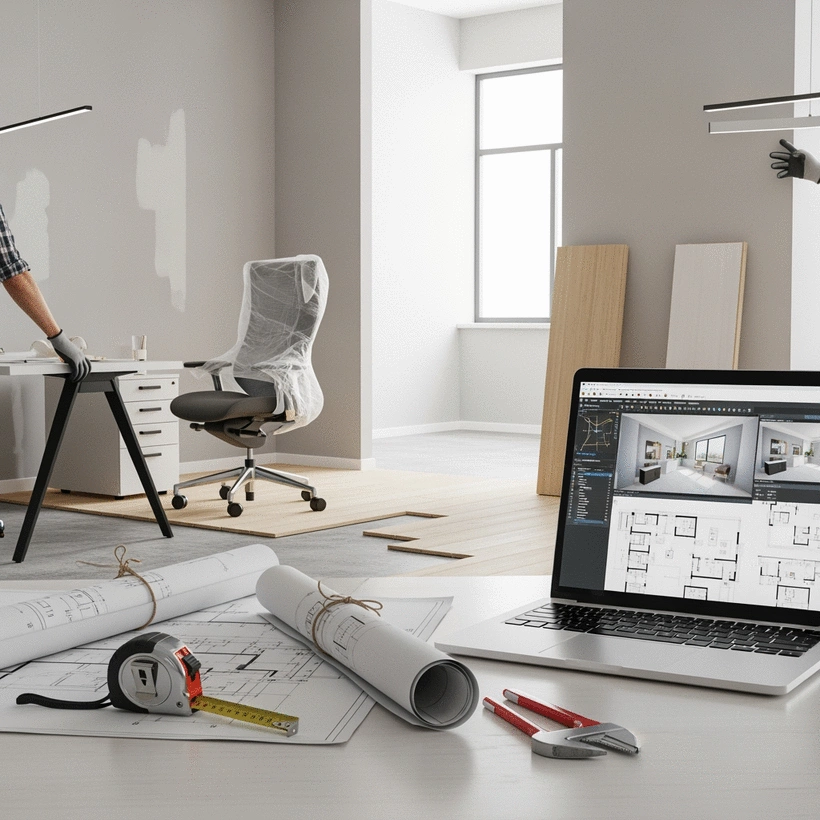
In the bustling streets of Melbourne, the atmosphere is electric with opportunity for business owners ready to transform their retail spaces. The magic of shop fitting lies in understanding your brand’s unique identity and translating it into an inviting space. As you embark on your fitout journey, let's explore some key insights that will help streamline your process.
What You Will Learn
- Establishing a clear timeline is essential for effective resource allocation and budget management during your fitout.
- Understanding each phase of the fitout—planning, design, construction, and installation—ensures smoother transitions and timely completion.
- Proactive communication with stakeholders can significantly reduce miscommunication and delays throughout the fitout process.
- Anticipating local council regulations and approval wait times is crucial for avoiding unexpected delays in your project.
- Implementing strategies such as phased fitouts and regular updates can minimize operational disruptions during renovations.
- Learning from real-world case studies can provide valuable insights into effective fitout management and common challenges.
- Post-fitout, establishing a maintenance schedule is vital for longevity and efficiency, ensuring your space continues to meet customer needs.
Commercial Fitout Timeline and Key Phases
Understanding the typical duration of each phase in a commercial fitout project is crucial for effective planning and execution. The visual below outlines these key stages and their approximate timelines. To delve deeper into the initial steps, read our guide on how to choose the right shopfitter for your business.
Planning & Approvals
Gathering council approvals and documentation. Can vary significantly based on project scope and local regulations.
Design Phase
Crafting the vision, including interior aesthetics, functionality, and compliance checks. Complexity is a major factor.
Construction Phase
Turning plans into reality. Duration depends on project scope, labor availability, and material sourcing.
Installation & Final Touches
Systems integration, signage, cabinetry, furnishing, and final inspections before launch.
Understanding the Commercial Fitout Timeline for Melbourne Businesses
When embarking on a commercial fitout journey, having a clear timeline is crucial. It not only helps you plan your resources effectively but also keeps your budget in check. At Shopfitters Melbourne, I’ve seen firsthand how the right timeline can transform chaos into a smooth process, ensuring your business opens its doors on schedule and meets customer expectations!
Each phase of your fitout, from planning to completion, needs careful consideration to align with your business goals. By understanding the expected duration for each stage, you can better manage expectations and communicate effectively with all stakeholders involved.
Why Knowing the Duration of Your Fitout Matters
Understanding the timeline of your fitout can save you time, frustration, and money. A clear timeline allows you to:
- Plan Effectively: Knowing when critical stages occur helps you allocate resources wisely.
- Budget Accurately: Anticipating costs associated with each phase helps to prevent surprises.
- Coordinate with Stakeholders: Timely updates keep your team, clients, and contractors informed, reducing miscommunication.
Additionally, a well-outlined timeline enables you to focus on your business operations while ensuring your fitout progresses smoothly. This ultimately leads to a successful launch that attracts customers from the start.
Defining the Commercial Renovation Timeline
In Melbourne's competitive landscape, a commercial renovation timeline outlines the essential phases of your fitout project. This timeline typically includes planning, design, construction, and installation stages. Each of these phases has its own unique considerations, especially in a city bustling with activity and regulations.
For instance, navigating local council regulations can add complexity to your timeline. Understanding these factors from the outset allows you to anticipate any potential delays and plan your fitout accordingly. My experience in the Melbourne market has taught me that a proactive approach to timeline management not only enhances efficiency but also sets the stage for a successful outcome! For more insights on financial planning, check out our guide on shop fitout costs in Melbourne.
Key Phases of a Commercial Fitout and Their Timelines
Planning and Approvals: Setting the Stage
The planning phase is foundational to your fitout timeline. This is when you gather necessary council approvals, and it can take anywhere from a few weeks to several months, depending on the scope of your project. Here’s what to expect:
- Gathering Documentation: Ensure you have all required documentation ready for submission.
- Council Reviews: Be prepared for potential revisions based on council feedback.
- Timeframes: Understand the typical wait times for approvals in your local area.
Being diligent during this phase not only expedites your fitout but also helps you avoid costly delays later in the process. Remember, planning is everything!

The Design Phase: Crafting Your Vision
Next up is the design phase, where your vision starts to take shape. This stage can last from a few weeks to a couple of months, depending on the complexity of your requirements. During this time, consider:
- Interior Aesthetics: Collaborating on colors, layouts, and materials that reflect your brand.
- Functionality: Ensuring that the design supports optimal customer flow and operational efficiency.
- Compliance: Verifying that your designs meet Australian building standards.
Engaging with experienced designers will accelerate this process and lead to a fitout that truly embodies your brand's ethos!
Construction Phase: Turning Plans into Reality
The construction phase is where all the planning and design come to life! This stage can vary widely in duration, influenced by factors such as project complexity, labor availability, and material sourcing. Here are some key elements to keep in mind:
- Project Scope: Larger projects naturally require more time.
- Labor Costs: Availability of skilled workers can impact your timeline.
- Material Availability: Delays in material procurement can push back completion dates.
Staying on top of these factors will help ensure that your fitout progresses on schedule, enabling you to focus on your business growth!
Installation: Completing the Fitout
The final stage is installation, where all the elements come together, including essential systems like HVAC. This phase typically takes a few weeks and covers:
- Systems Integration: Ensuring all mechanical and electrical systems are functional.
- Final Touches: Completing installations like signage, cabinetry, and furnishings.
- Inspections: Conducting final inspections to ensure everything meets standards.
By prioritizing effective installation management, you can ensure a seamless transition into your newly fitted space—a space ready to captivate your customers!
Factors Influencing the Duration of Your Fitout
The Impact of Property Condition and Project Complexity
The condition of your property plays a significant role in the overall timeline of your fitout. Older buildings may require more extensive renovations, while newer properties could have fewer issues. Here’s how property condition affects timelines:
- Renovation Needs: Assessing structural integrity may add time to your planning phase.
- Complex Designs: Unique design elements can extend the construction timeline.
- Existing Compliance Issues: Addressing previously unrecognized compliance issues can lead to delays.
Understanding these factors early on can help you mitigate their impact, allowing for a smoother process!
Role of Council Permits and Approvals
Local council approvals are critical to your fitout timeline and can introduce unexpected delays. To navigate this process effectively, consider:
- Building Permits: Ensure you understand the requirements for your specific project.
- Effective Communication: Maintain clear lines of communication with council representatives.
- Preparation: Submitting all necessary documents can expedite the approval process.
Being well-prepared and informed not only reduces stress but also minimizes delays, paving the way for a successful fitout journey!
Communication and Coordination Among Stakeholders
Clear communication among all parties involved in your fitout is paramount. Effective coordination can significantly reduce delays. Here are some strategies to consider:
- Regular Meetings: Schedule coordination meetings to keep everyone on the same page.
- Stakeholder Engagement: Actively involve stakeholders throughout the process to foster collaboration.
- Feedback Loops: Create mechanisms for feedback to address issues promptly as they arise.
Fostering a collaborative environment helps ensure everyone is aligned, ultimately speeding up your fitout process!
Strategies to Reduce Disruption and Delays
Minimizing operational disruption during your fitout is possible with strategic planning. Consider implementing these strategies:
- Phased Fitouts: Conducting renovations in stages can help keep your business operational.
- Risk Management: Identifying potential risks in advance allows for quicker resolutions.
- Buffer Time: Building in extra time for unexpected issues can help you stay on track.
Taking these proactive steps can greatly reduce delays and ensure that your business continues to thrive during renovations!
Real-World Examples: Fitout Timelines in Melbourne
Case Studies of Successful Fitouts
When we look at real-world examples, we can gain valuable insights into fitout timelines. At Shopfitters Melbourne, we've had the pleasure of working on various projects, each with unique timelines and challenges. For instance:
- A boutique retail store in South Yarra completed its fitout in just 10 weeks, overcoming design challenges with innovative solutions.
- A café in Richmond faced delays due to council approval but ultimately succeeded in launching within 12 weeks, thanks to proactive communication.
- A medical clinic in St Kilda navigated complex compliance regulations and completed its project in a remarkable 14 weeks, thanks to meticulous planning.
These examples illustrate that with the right approach, successful fitouts are entirely achievable!
Learning from Challenges: Common Delays and Solutions
Fitouts can encounter various challenges, leading to delays. Here are some common issues and practical solutions:
- Change Orders: These can disrupt timelines, so it’s best to finalize designs before starting construction.
- Supply Chain Management: Anticipate potential delays by sourcing materials early and considering alternatives.
- Communication Gaps: Regular check-ins with all stakeholders can preemptively address concerns before they escalate.
Learning from these challenges helps businesses like yours avoid similar pitfalls, ensuring a smoother fitout process!
Pro Tip
To streamline your fitout process, consider creating a detailed project timeline that includes buffer periods for potential delays. This proactive approach allows you to anticipate challenges and maintain momentum, ensuring your business opens on schedule while minimizing stress.
Frequently Asked Questions About Commercial Fitout Timelines
Q1: What are the main phases of a commercial fitout timeline?
A1: The main phases typically include Planning & Approvals, Design Phase, Construction Phase, and Installation & Final Touches. Each phase has its own estimated duration, varying based on project scope and complexity.
Q2: How long does the planning and approvals phase usually take for a commercial fitout in Melbourne?
A2: The planning and approvals phase can range from a few weeks to several months. This duration largely depends on factors such as the project's scope, the specific local council regulations, and the time required to gather all necessary documentation.
Q3: What factors most significantly influence the overall duration of a commercial fitout?
A3: Key factors include the property's existing condition, the complexity of the design, the ease of obtaining council permits and approvals, labor availability, material sourcing, and the effectiveness of communication and coordination among all stakeholders.
Q4: What strategies can help reduce potential delays during a commercial fitout?
A4: Strategies to minimize delays include implementing phased fitouts to maintain operations, proactive risk management to identify and address issues early, building in buffer time for unexpected challenges, and maintaining clear, regular communication with all parties involved.
Q5: Why is post-fitout maintenance important, and what should it include?
A5: Post-fitout maintenance is crucial for ensuring the longevity and efficiency of your commercial space. It should include regular inspections (monthly, quarterly, or annually), planning for seasonal maintenance (especially for HVAC systems), and budgeting for unexpected repairs to prevent minor issues from escalating.
Post-Fitout Considerations: What's Next for Your Business?
Now that your fitout is complete, it’s time to think about the next steps to ensure your new space remains functional and appealing. Establishing a maintenance timeline is crucial for maximizing the longevity and efficiency of your commercial environment. A well-maintained space not only enhances the customer experience but also helps mitigate future repair costs.
Having a clear maintenance schedule can prevent minor issues from escalating into major problems. This proactive approach can save you both time and money in the long run. I recommend setting up a regular maintenance plan that includes inspections, cleaning, and upgrades as necessary. Consistent upkeep is key to keeping your Melbourne business running smoothly!
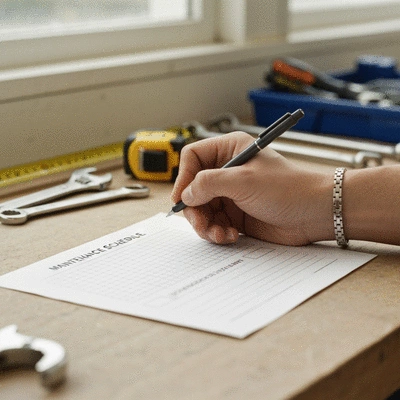
Maintenance Timelines After Your Fitout
- Schedule regular inspections (monthly, quarterly, or annually)
- Plan for seasonal maintenance, especially for HVAC systems
- Budget for unexpected repairs to avoid financial strain
Each of these steps will help ensure your space stays in top condition, allowing you to focus on what matters most—running your business! Remember, a little attention goes a long way in prolonging the life of your fitout.
Cost vs. Time Trade-offs: Making Informed Decisions
When considering your fitout, it's essential to evaluate the relationship between renovation costs and time. Sometimes, investing in a quicker fitout can make a significant difference to your business operations. However, it’s also important to weigh these costs against potential long-term savings.
For instance, if a faster fitout means your business can start generating revenue sooner, the initial expense might be justified. On the other hand, rushing the process could lead to oversights that compromise quality. Understanding where to strike the right balance is vital.
- Assess the impact of fitout duration on your business revenue
- Consider the quality of materials and workmanship available in expedited timelines
- Evaluate your budget flexibility and timeline constraints
By making informed decisions regarding cost and time, you’ll find the path that aligns best with your business goals!
Next Steps: Planning Your Melbourne Fitout
Getting Started: Essential First Steps
Ready to embark on your fitout journey? The first step is crucial for laying a solid foundation for your project. Start with a thorough client consultation to clarify your vision and expectations. This initial meeting is a great opportunity to discuss your brand identity and how you envision your space.
Gathering quotes from reputable fitout contractors is also essential. At Shopfitters Melbourne, we pride ourselves on offering tailored solutions that fit your needs and budget. Don’t hesitate to reach out for professional advice and guidance! Discover how to craft the perfect shop layout for maximum customer engagement.
- Schedule a consultation to discuss your fitout objectives
- Collect quotes from multiple fitout contractors
- Review contractor portfolios for quality and design style
Utilizing Tools and Resources for Better Planning
To help streamline your planning process, consider utilizing tools and resources designed for better project management. Timeline calculators can be incredibly beneficial for estimating the overall duration of your fitout. Additionally, creating a downloadable checklist can assist you in tracking essential milestones throughout the renovation.
At Shopfitters Melbourne, we recommend leveraging technology to your advantage. Having a well-organized approach will save you time and reduce stress as you move forward with your fitout. Remember, preparation is key to a successful renovation!
- Use a timeline calculator to estimate project duration
- Create a checklist for tasks and responsibilities
- Research local resources and tools for contractors
Summary and Call to Action
In summary, understanding the fitout timeline and the post-fitout considerations is crucial for Melbourne business owners. Establishing a maintenance timeline, weighing cost versus time trade-offs, and utilizing effective planning tools can significantly impact your project’s success. If you're ready to take the next step in crafting your ideal commercial space, don’t hesitate to contact us at Shopfitters Melbourne. We're here to help you navigate the fitout process with expertise and tailored solutions!
Recap of Key Points
Here is a quick recap of the important points discussed in the article:
- Effective Planning: A well-defined timeline is essential for managing resources, budgeting, and coordinating with stakeholders.
- Key Phases: Understand the phases of fitout—planning, design, construction, and installation—to anticipate timelines and requirements.
- Communication is Key: Maintain clear communication with all stakeholders to avoid delays and ensure project alignment.
- Proactive Management: Address potential issues early, such as property conditions and compliance regulations, to minimize disruptions.
- Post-Fitout Maintenance: Establish a maintenance timeline to ensure the longevity and functionality of your space.