Retail Store Layout Ideas That Work
In the realm of retail, the design of your store can either elevate the customer experience or hinder it. Have you considered how your store layout might influence customer behavior? Understanding these dynamics is crucial for creating a space that not only attracts but also retains shoppers. Let’s dive into the essential insights that can help you optimize your retail store layout for maximum impact.
What You Will Learn
- The importance of designing your retail layout to enhance customer flow and product visibility.
- How effective visual merchandising can create a cohesive shopping experience that resonates with your brand.
- Strategies for utilizing customer traffic data to assess and improve your store layout.
- Key elements to balance design and functionality for increased customer satisfaction and engagement.
Optimizing Retail Layouts for Enhanced Customer Experience
This visual explores critical aspects of retail store layouts and their direct impact on customer flow and engagement.
Importance of Retail Store Design
- Brand Representation
- Customer Comfort
- Operational Efficiency
A well-designed layout conveys brand identity, encourages longer visits, and improves staff service.
Influence on Customer Behavior
- Guides Traffic Flow
- Optimizes Product Placement
- Ensures Comfort Zones
Strategic layouts, like loop designs, encourage exploration and spontaneous purchases.
Visual Merchandising Techniques
- Consistent Color Schemes
- Strategic Lighting
- Clear Signage
Transforms shopping into an experience, telling a brand story and fostering connection.
Assessing Current Layouts (Analytics)
- Heat Mapping
- Sales Data Analysis
- Customer Feedback
Leveraging data and feedback to make informed adjustments and improvements.
Understanding Retail Store Layouts and Their Impact on Customer Flow
As a seasoned expert in commercial fitouts, I’ve seen firsthand how the layout of a retail store can make or break customer experiences. When we talk about retail store design, we’re not just focused on aesthetics; we’re talking about creating a space that drives traffic and enhances interactions with your products. The right layout can influence how customers move through your space, how much time they spend in it, and ultimately, how much they purchase! For more insights into optimizing your retail space, consider exploring the benefits of understanding professional shopfitting in Melbourne.
In this section, we will explore the crucial relationship between store layouts and customer flow. The design choices you make will significantly impact your business's bottom line. Whether you're considering a new fitout or revamping an existing space, understanding these dynamics can lead to better customer engagement and satisfaction.

The Importance of Retail Store Design
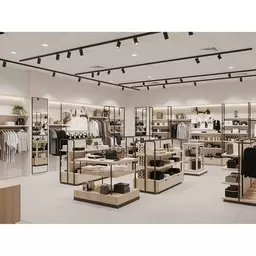
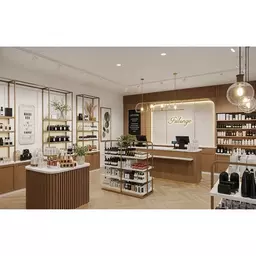
Retail store design is essential because it sets the tone for the entire shopping experience. A well-thought-out layout can help convey your brand's identity and values. For example, if you operate a salon, a sleek, modern design can signal professionalism and luxury, while a warm, welcoming layout can make your café feel like a home away from home.
- Brand Representation: Your design should reflect your business ethos.
- Customer Comfort: A comfortable layout encourages longer visits.
- Operational Efficiency: Smart design allows staff to serve customers better.
Investing in a quality retail layout can lead to increased loyalty and repeat visits. It's about creating not just a shopping experience but a memorable one that resonates with your clientele.
How Store Layouts Influence Customer Behavior
Have you ever noticed how some stores seem to naturally guide you through their offerings? This is no coincidence! The layout of your store can significantly affect customer behavior and decision-making. For instance, a loop layout encourages shoppers to explore more of the store, increasing the likelihood of spontaneous purchases. For retailers looking to stay ahead, understanding Melbourne's retail design trends 2025 can provide a competitive edge.
- Traffic Flow: Consider how customers will naturally move through your space.
- Product Placement: Position high-demand items at the back to draw customers deeper into your store.
- Comfort Zones: Ensure areas are open enough to allow easy navigation.
Understanding these principles can help you design a store that not only attracts customers but also encourages them to linger and engage with your products.
Visual Merchandising Techniques to Enhance Customer Engagement
Visual merchandising is more than just pretty displays; it’s an art form that can enhance customer engagement and drive sales. By utilizing effective merchandising techniques, you can create a cohesive narrative throughout your store that draws customers in and keeps them interested.
- Color Schemes: Use colors that align with your brand to create harmony.
- Lighting: Highlight key products and create ambiance.
- Signage: Clear signage helps customers navigate and find what they need.
When implemented correctly, visual merchandising can transform your store into an experience rather than just a shopping stop. It’s all about telling your brand’s story in a way that resonates with your customers, making them feel connected and valued.
We Want to Hear From You!
What aspect of your store layout do you believe has the most significant impact on customer experience? Share your thoughts below:
Key Takeaways for Retail Store Layout Optimization
Creating a retail environment that is both inviting and functional is essential for driving customer satisfaction. As I often advise my clients at Shopfitters Melbourne, achieving a successful balance between design and functionality can greatly enhance the shopping experience. When your store layout is optimized, it not only attracts customers but also encourages them to spend more time exploring your offerings.
Here are some key takeaways to consider for optimizing your retail store layout:
- Prioritize Customer Flow: Design your layout to guide customers naturally through your store, ensuring they encounter your most valuable products.
- Emphasize Accessibility: Ensure that pathways are clear and accessible to all customers, including those with disabilities.
- Utilize Visual Merchandising: Enhance product visibility through strategic placement and engaging displays that catch the eye.
- Adapt Spaces Wisely: Be prepared to adjust your layout based on seasonal trends or sales events to keep your store fresh and engaging.
By implementing these strategies, you can create a more effective shopping environment that resonates with your customers’ needs and expectations.
Balancing Design and Functionality for Customer Satisfaction
As a shopfitting expert, I understand that the design of your retail space is about more than just aesthetics—it's about creating a fluid experience for your customers. A well-thought-out layout can significantly enhance customer satisfaction by making shopping effortless and enjoyable. To achieve this balance, consider the following:
- Open Spaces: Incorporate open layouts that allow customers to navigate freely, preventing congestion.
- Clear Signage: Use clear, concise signage to guide customers and communicate important information.
- Flexible Displays: Design flexible display areas that can be easily adapted for different products or promotions.
- Comfort Elements: Include comfortable seating areas where customers can relax, promoting longer visits.
These elements not only enhance the shopping experience but also increase the likelihood of repeat visits, which is crucial for any successful retail business.

Final Thoughts on Enhancing Customer Flow Through Layouts
In the competitive landscape of retail, understanding how to enhance customer flow through thoughtful layouts is key. Whether you’re redesigning an existing space or starting from scratch, remember that every aspect—from the entryway to product placement—plays a vital role in shaping the customer experience. I always recommend keeping your target audience in mind and designing your layout to cater to their behaviors and preferences. For those considering starting a new project, understanding the Melbourne business fitout timeframe can be invaluable for planning.
Ultimately, an optimized store layout can lead to greater customer engagement, higher sales, and improved satisfaction. The journey of creating a captivating retail space is ongoing, and I encourage you to revisit your layout periodically to ensure it continues to meet the evolving needs of your customers.
Next Steps for Retailers Seeking Improvement
How to Assess Your Current Retail Layout Using Retail Analytics
To truly understand the effectiveness of your retail layout, leveraging retail analytics is essential. Collecting and analyzing customer traffic data can reveal valuable insights into how shoppers navigate your space. Here are some steps to effectively assess your layout:
- Utilize Heat Mapping: Implement heat mapping tools to visualize customer movement and identify high-traffic areas.
- Track Sales Data: Analyze sales data to determine which areas of your store are performing best.
- Gather Customer Feedback: Use surveys or direct feedback to understand customer experiences and suggestions for improvement.
- Adjust Based on Insights: Be prepared to make changes to your layout based on the analytics and feedback you receive.
By implementing these strategies, you can create a more effective shopping environment that resonates with your customers’ needs and expectations.
Encouraging Feedback and Continuous Improvement in Store Navigation
Continuous improvement is vital in today’s fast-paced retail environment. Encouraging customer feedback should be an integral part of your store’s operation. Here’s how you can foster an environment of open communication:
- Feedback Stations: Set up dedicated feedback stations or online platforms where customers can share their thoughts easily.
- Incentivize Responses: Consider offering incentives for customers who provide feedback, such as discounts or loyalty points.
- Regular Reviews: Schedule regular meetings with your team to review customer feedback and discuss potential layout improvements.
- Iterate on Design: Be willing to iterate on your layout based on feedback—what works today may need adjustments tomorrow!
By focusing on customer feedback and continuously adapting your store layout, you’ll not only enhance customer satisfaction but also foster loyalty, ensuring that your retail space remains a vibrant hub for shoppers.
Frequently Asked Questions About Retail Store Layouts
How does store layout influence customer behavior?
Store layout significantly affects customer behavior by guiding traffic flow, optimizing product placement, and creating comfortable zones that encourage exploration and spontaneous purchases. Strategic layouts, such as loop designs, can draw customers deeper into the store and increase engagement with products.
What are the key elements of effective visual merchandising?
Effective visual merchandising involves using consistent color schemes to align with brand identity, strategic lighting to highlight key products and set ambiance, and clear signage to help customers navigate and find items easily. These techniques transform shopping into an experience, telling a brand story and fostering connection.
How can I assess the effectiveness of my current retail layout?
You can assess your current layout by leveraging retail analytics, such as heat mapping to visualize customer movement, analyzing sales data to identify best-performing areas, and gathering customer feedback through surveys. These insights help in making informed adjustments and improvements.
Why is balancing design and functionality important in retail?
Balancing design and functionality is crucial because it creates a fluid, enjoyable shopping experience. Open spaces, clear signage, flexible displays, and comfortable seating not only enhance aesthetics but also improve navigation and customer comfort, leading to increased satisfaction and repeat visits.
What are some key takeaways for optimizing a retail store layout?
Key takeaways include prioritizing customer flow to guide shoppers naturally, emphasizing accessibility for all customers, utilizing visual merchandising to enhance product visibility, and adapting spaces wisely for seasonal trends. Incorporating open layouts and clear signage also contributes to a more effective shopping environment.
Recap of Key Points
Here is a quick recap of the important points discussed in the article:
- Prioritize Customer Flow: Design your layout to guide customers naturally through your store, ensuring they encounter your most valuable products.
- Emphasize Accessibility: Ensure that pathways are clear and accessible to all customers, including those with disabilities.
- Utilize Visual Merchandising: Enhance product visibility through strategic placement and engaging displays that catch the eye.
- Adapt Spaces Wisely: Be prepared to adjust your layout based on seasonal trends or sales events to keep your store fresh and engaging.
- Incorporate Open Spaces: Create open layouts that allow customers to navigate freely, preventing congestion.
- Use Clear Signage: Implement clear, concise signage to guide customers and communicate important information effectively.